Proofing
also called proving
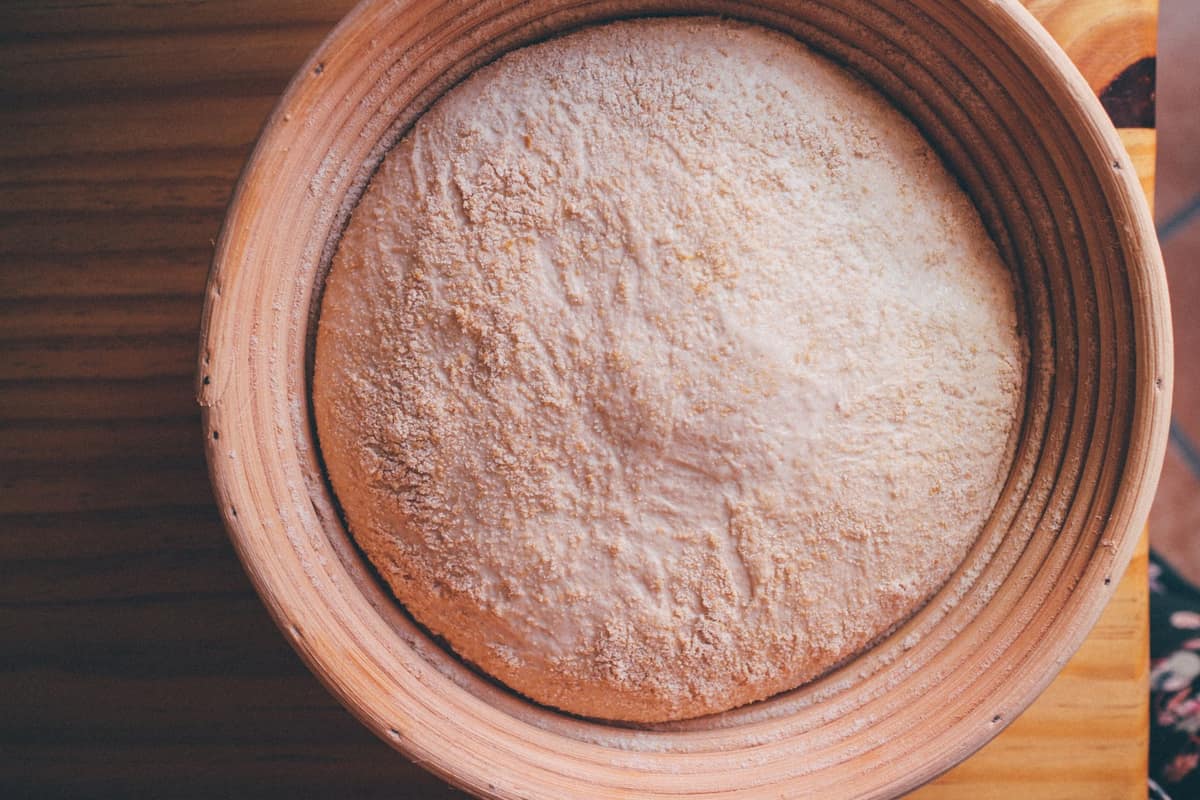
Proofing (or proving) is the rest period during which shaped yeast dough is left to rise before baking. Yeast ferments sugars in the flour and releases gas, inflating the gluten network like a slow balloon. Getting the proof right — neither under nor over — decides whether bread bakes up light or dense.
Builds on
What it is
During proofing, yeast quietly ferments the dough's sugars and fills the gluten network with gas, while flavour compounds build alongside. The dough visibly swells, turning pillowy and delicate. Warmth speeds the process and cold slows it — which is why bakers pay as much attention to their kitchen as to their dough.
Why it matters
Proofing sets the final texture. Under-proofed dough hasn't built enough gas, so it bakes dense with a tight crumb and can burst in the oven. Over-proofed dough has stretched its gluten past the limit — it collapses at a touch and bakes flat with a sour, boozy edge.
Common mistakes
The biggest one is following clock times blindly. In a warm Bangalore kitchen, dough proofs far faster than most Western recipes assume, so watch the dough, not the timer. Use the poke test: press a floured fingertip gently into the dough — if the dent springs back slowly and partially, it's ready; an instant spring-back means wait, and a dent that stays means it's gone too far.
At Love Made Edible
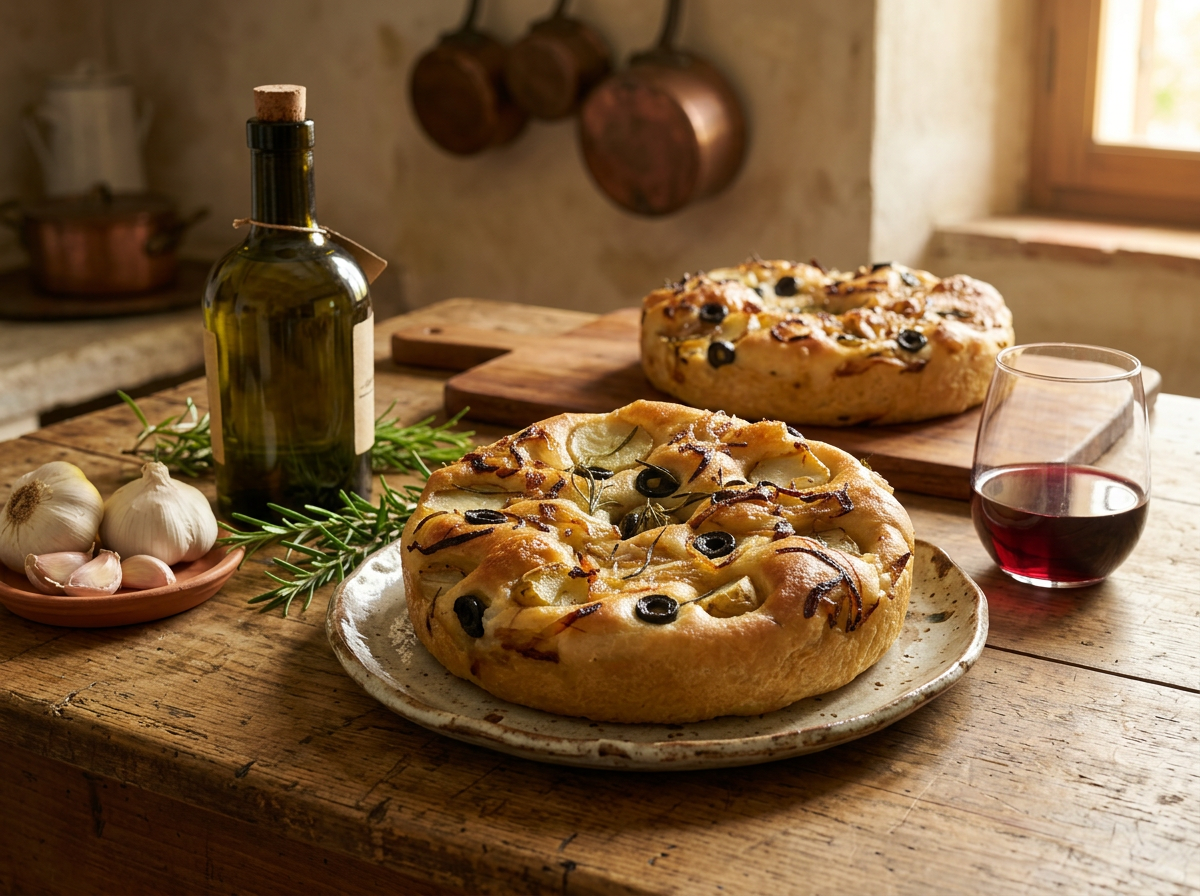
Our focaccia gets a long, unhurried proof — those big, glossy bubbles in the crumb are the visible record of it.
Related terms
Frequently Asked Questions
What is the poke test for proofing?
Gently press a floured fingertip into the dough. If the dent springs back slowly and only partway, the dough is proofed and ready to bake. If it springs back immediately, give it more time. If the dent stays put or the dough deflates, it's over-proofed.
Proofing vs fermentation — what's the difference?
Fermentation is the yeast's activity itself, happening from the moment dough is mixed. Proofing usually refers specifically to the final rise after shaping, just before baking. In practice bakers often use the words loosely, but the final proof is the one that decides oven results.
Why does dough proof so fast in India?
Yeast activity rises with warmth, and most Indian kitchens sit well above the mild room temperatures Western recipes assume. Dough that a European recipe expects to rise slowly can be ready in a fraction of the time in Bangalore — another reason to trust the poke test over the clock.
Tastethetechnique
Everything in our kitchen is baked fresh to order — eggless and vegan variants available.