Fermentation
Fermentation is the process by which yeasts and friendly bacteria feed on the sugars in dough, releasing gas that makes bread rise along with acids and aroma compounds that build flavour. Fast fermentation gives lift and little else; long, slow fermentation gives complex taste, better keeping and dough that many people find easier to digest.
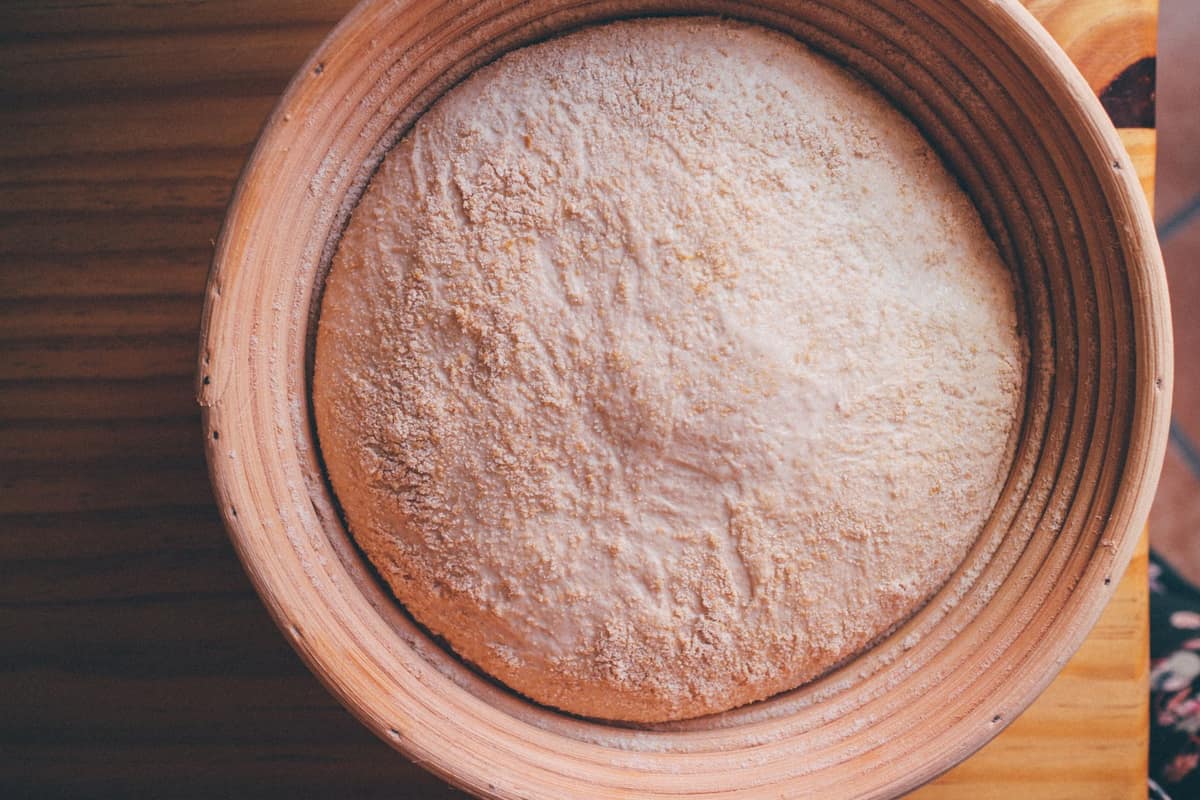
What it is
Fermentation is life at work in the dough. Wild yeasts and lactic acid bacteria, whether from a sourdough starter or from added baker's yeast, consume the simple sugars in flour and give back carbon dioxide, a little alcohol, tangy acids and a crowd of aroma compounds. The gas inflates the gluten network and lifts the loaf; the acids and aromatics are what turn plain flour and water into something with real character.
Why it matters
Time is the quiet ingredient here. A quick rise produces gas and not much else, which is how factory bread can be mixed and baked within a single shift. A long, slow ferment lets bacteria develop acids and flavour, gently soften the dough's structure, and begin breaking down components that some people find hard to digest — one reason many find well-fermented sourdough sits more easily than rushed bread.
Common mistakes
Rushing is the usual error in a warm Bangalore kitchen, where dough ferments faster than any book's timings assume — go by how the dough looks and feels, puffy and alive, rather than by the clock. Over-fermenting is the flip side: dough that has gone slack, smells sharply sour and boozy, and bakes into a flat, gummy loaf because its structure has been eaten away.
At Love Made Edible
Our sourdough loaf is built on a long, unhurried fermentation rather than a fast commercial rise — the slow work of wild yeast and bacteria is what gives it its tang, its keeping quality and its gentler digestibility.
Related terms
Frequently Asked Questions
What is fermentation in bread making?
Fermentation in bread making is when yeast and bacteria feed on the sugars in dough and release gas, acids and aroma compounds. The gas makes the dough rise; the acids and aromatics build flavour and help preserve the loaf. It is the living step that separates bread from a simple flour-and-water paste.
Why is sourdough easier to digest than regular bread?
Long fermentation gives bacteria time to break down some of the components in flour that can feel heavy, and to develop acids that change how the bread behaves in the gut. Many people report that slowly fermented sourdough sits more comfortably than quickly risen bread, though this varies from person to person and is not a medical claim.
What is the difference between artisan bread and factory bread?
Time, mostly. Artisan loaves ferment slowly, often over many hours or overnight, which builds flavour and structure naturally. Factory bread is typically pushed through a fast rise with plenty of added yeast and sometimes dough conditioners, trading the depth of a long ferment for speed and shelf consistency.
Tastethetechnique
Everything in our kitchen is baked fresh to order — eggless and vegan variants available.