Pre-ferment
also called poolish, biga
A pre-ferment is a portion of a bread's flour, water and leaven mixed hours — often a day — ahead and left to ferment before the final dough is made. That head start builds acids and aromatic compounds no quick dough can match, giving the finished bread deeper flavour, better keeping quality and a more open crumb.
Builds on
What it is
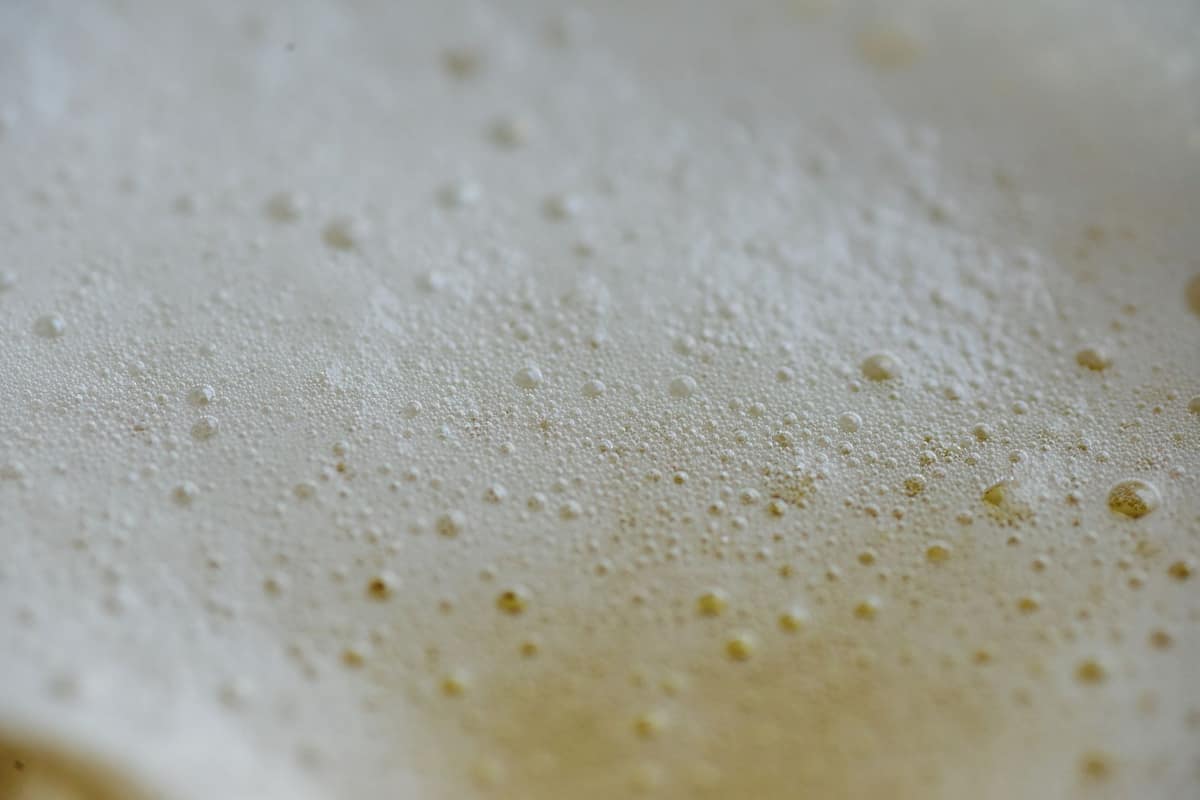
Instead of mixing everything at once, the baker ferments a fraction of the dough in advance with a small amount of yeast. Poolish, the French style, is a loose, batter-like pre-ferment with roughly equal flour and water; biga, its Italian cousin, is stiffer and drier. Both do the same fundamental job — a long, slow ferment that the final dough inherits — but the wetter poolish leans toward mellow, nutty extensibility, while the stiffer biga favours strength and a gently acidic edge.
Why it matters
Flavour in bread is made by time, not by ingredients: the longer fermentation runs, the more organic acids and aromatic by-products accumulate. A pre-ferment smuggles all that slow-built complexity into a dough that can still be mixed and baked on a workable schedule. It also improves how the bread ages — pre-fermented loaves stay pleasant days longer than straight doughs.
Pre-ferment vs sourdough starter
A sourdough starter is a permanent, self-renewing culture of wild yeast and bacteria, maintained indefinitely. A pre-ferment is disposable: built once from commercial yeast for a specific bake, used entirely, and made fresh next time. They occupy the same role — bringing pre-built fermentation into a dough — but the starter is a pet and the pre-ferment is a one-night guest.
At Love Made Edible
Long pre-fermentation is central to how our sourdough loaves are built — most of their flavour exists before the final dough is even mixed.
Related terms
From the journal
Frequently Asked Questions
What is a pre-ferment in bread baking?
It's a portion of the dough — flour, water and a little yeast — mixed well ahead and allowed to ferment on its own before joining the final dough. The long head start develops acids and aromas that give the finished bread far more flavour than a straight, same-day dough.
Poolish vs biga — what's the difference?
Mainly consistency. Poolish is wet and batter-like, giving extensible dough and mellow, nutty flavour; biga is stiff and dry, favouring dough strength and a slightly more acidic profile. Both are pre-ferments doing the same job — the choice shapes the character of the final loaf.
Is a pre-ferment the same as a sourdough starter?
No. A starter is a living culture of wild yeast and bacteria kept alive indefinitely through regular feeding. A pre-ferment is made fresh for one bake using commercial yeast and used up completely. Both pre-build fermentation flavour, but only the starter is a long-term commitment.
Tastethetechnique
Everything in our kitchen is baked fresh to order — eggless and vegan variants available.