Agar Agar
Agar agar is a setting agent extracted from seaweed, prized as the vegetarian answer to gelatin, which is animal-derived and non-vegetarian in India. It dissolves in hot liquid and sets as it cools into a firm, clean gel, though it behaves quite differently from gelatin in the mouth.
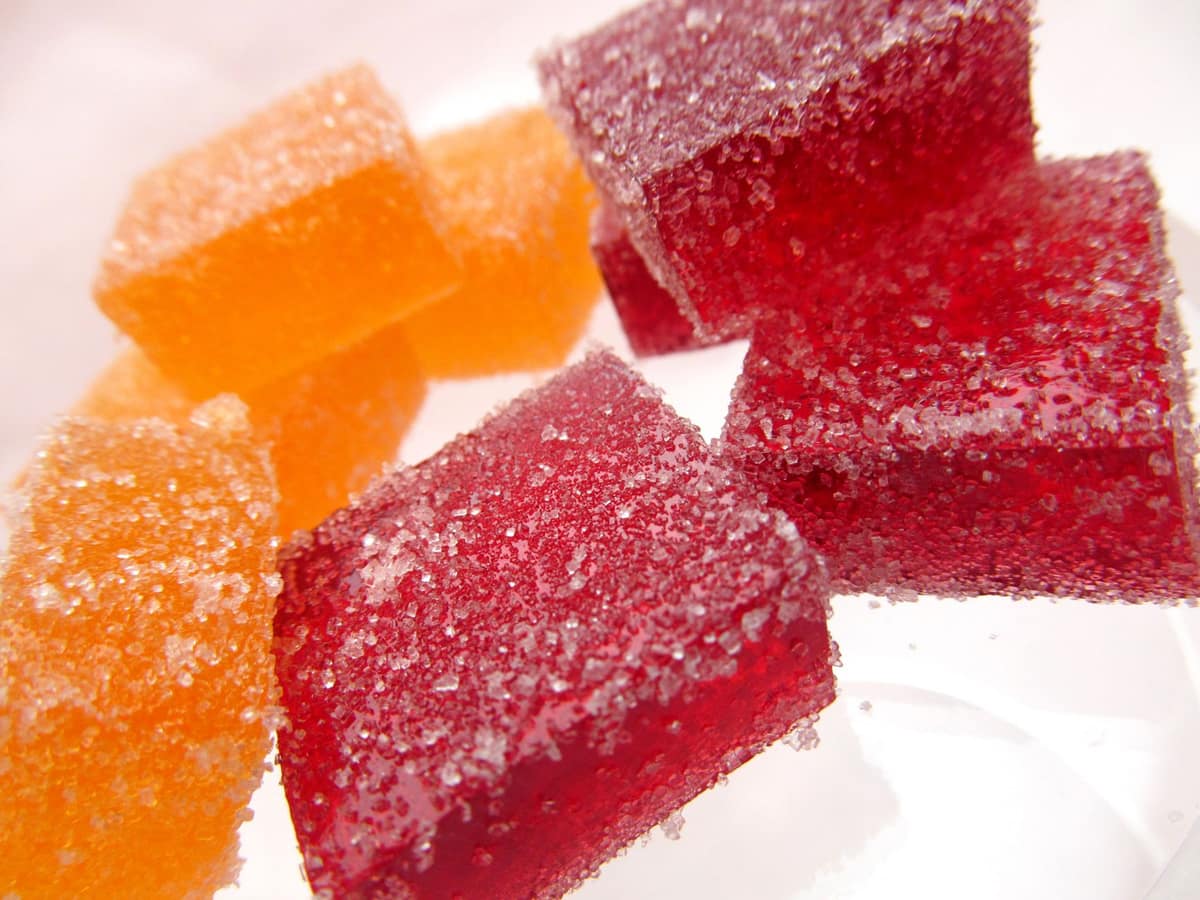
What it is
Agar agar comes from red seaweed and is sold as strands, flakes, or powder. Unlike gelatin, it must be brought to a boil to dissolve fully, then it sets quickly as it cools, holding firm even in a warm room. That heat stability makes it useful in Bangalore kitchens.
Why it matters
For vegetarian baking, agar is the natural stand-in for gelatin, letting mousses, jellies, panna cotta, and glazes set without any animal product. It also sets much firmer, so a little goes a long way, and it holds shape at room temperature better than gelatin does.
The texture trade-off
Agar and gelatin are not the same feel. Gelatin gives a soft, wobbly, melt-in-the-mouth set, while agar sets firmer, cleaner, and more brittle, with less of that luxurious melt. Understanding this difference is the key to using it well rather than expecting an exact swap.
Frequently Asked Questions
Is agar agar vegetarian?
Yes. Agar agar is made from seaweed, so it is fully vegetarian and vegan. It is widely used as a replacement for gelatin, which is derived from animals and counts as non-vegetarian in India.
Can agar agar replace gelatin directly?
It replaces gelatin's job but not its texture. Agar sets much firmer and more brittle, while gelatin gives a soft, melting wobble, so the feel of the finished dessert changes. Agar also needs boiling to activate, whereas gelatin does not.
Tastethetechnique
Everything in our kitchen is baked fresh to order — eggless and vegan variants available.