Tangzhong
/tahng-JONG/
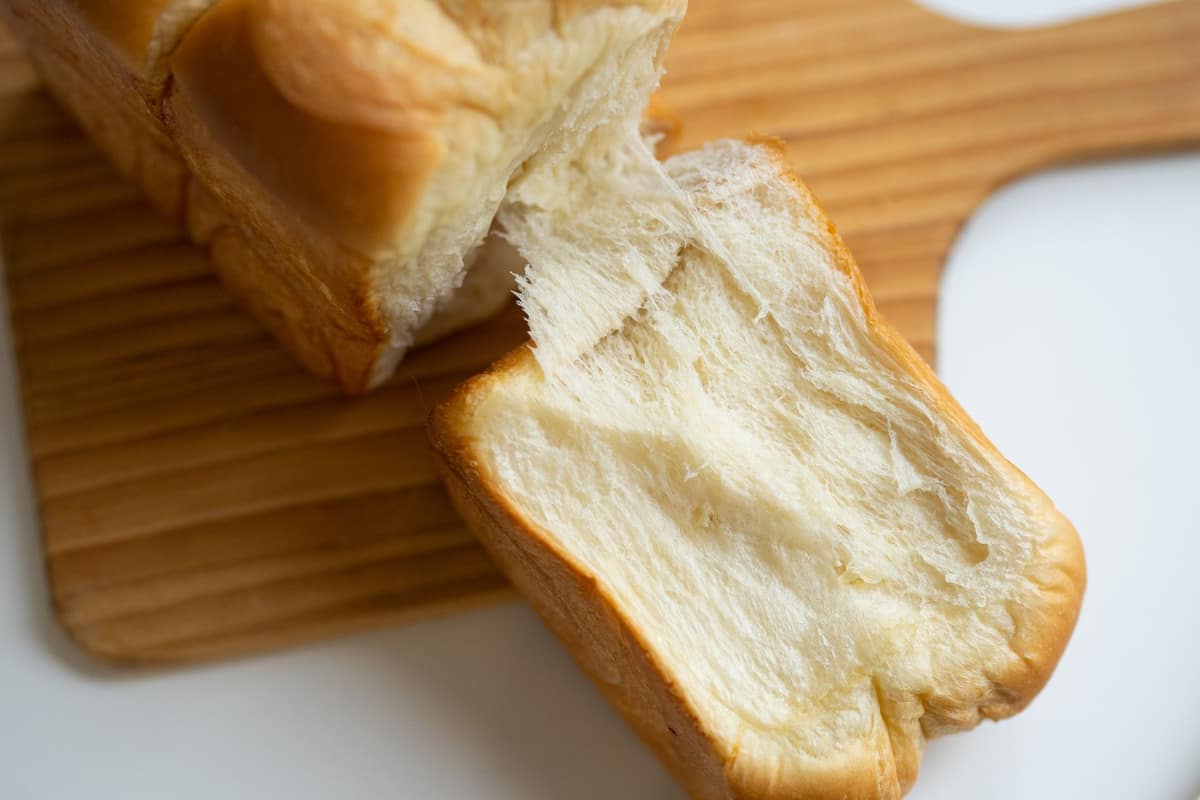
Tangzhong is an East Asian bread technique in which a small portion of the flour is cooked with liquid into a thick, pudding-like paste before being mixed into the dough. The pre-gelatinised starch locks in extra moisture, producing enriched breads — most famously Hokkaido milk bread — that stay cloud-soft for days.
Builds on
What it is
When flour is heated with water or milk, its starch granules swell, burst and gelatinise — the same transformation that thickens a custard. Done deliberately with a fraction of the recipe's flour, this creates a glossy paste that can hold far more liquid than raw flour ever could. Folded into the final dough, that captured moisture rides along through kneading, proofing and baking.
Why it matters
Bread staling is largely the story of starch giving up its water and re-crystallising. Because tangzhong starch has already gelatinised and bonded tightly with its liquid, it surrenders that moisture far more slowly — so the crumb stays plush, springy and tender days after baking. It also lets the dough carry more liquid without becoming unmanageably sticky, which is where milk bread's signature feathery pull-apart texture comes from.
Common mistakes
Undercooking the paste so the starch never fully gelatinises — it should be thick enough that a whisk leaves visible trails. Adding it to the dough while still hot, which can harm the yeast; let it cool first. And treating tangzhong as a bolt-on to any recipe: the dough's liquid needs rebalancing around it, so it works best in recipes designed for it.
Related terms
Frequently Asked Questions
What is tangzhong in bread making?
It's a cooked paste of flour and liquid, made before the dough, in which the starch gelatinises and traps moisture. Mixed into an enriched dough, it produces exceptionally soft, fluffy bread that resists going stale — the technique behind Japanese and Chinese milk breads.
Why does tangzhong keep bread soft for days?
Staling happens as starch re-crystallises and releases its water. Gelatinised tangzhong starch binds its moisture much more tightly, so the crumb loses water far more slowly. The bread starts softer, holds more moisture, and stays tender well beyond an ordinary loaf's lifespan.
Tangzhong vs yudane — are they the same?
They're close cousins with the same goal. Tangzhong cooks flour and liquid together on the stove into a paste; yudane, the Japanese approach, pours boiling liquid directly over flour and rests it. Both pre-gelatinise starch to make softer, longer-keeping bread — the difference is method, not principle.
Tastethetechnique
Everything in our kitchen is baked fresh to order — eggless and vegan variants available.