Caramelisation
Caramelisation is what happens when sugar is taken to high heat and its molecules break apart and recombine into hundreds of new compounds — bitter, nutty, fruity, toasty. It is how plain white sugar becomes golden caramel, and it deepens steadily from delicate and sweet to dark and pleasantly bitter before tipping into burnt.
Unlocks
What it is
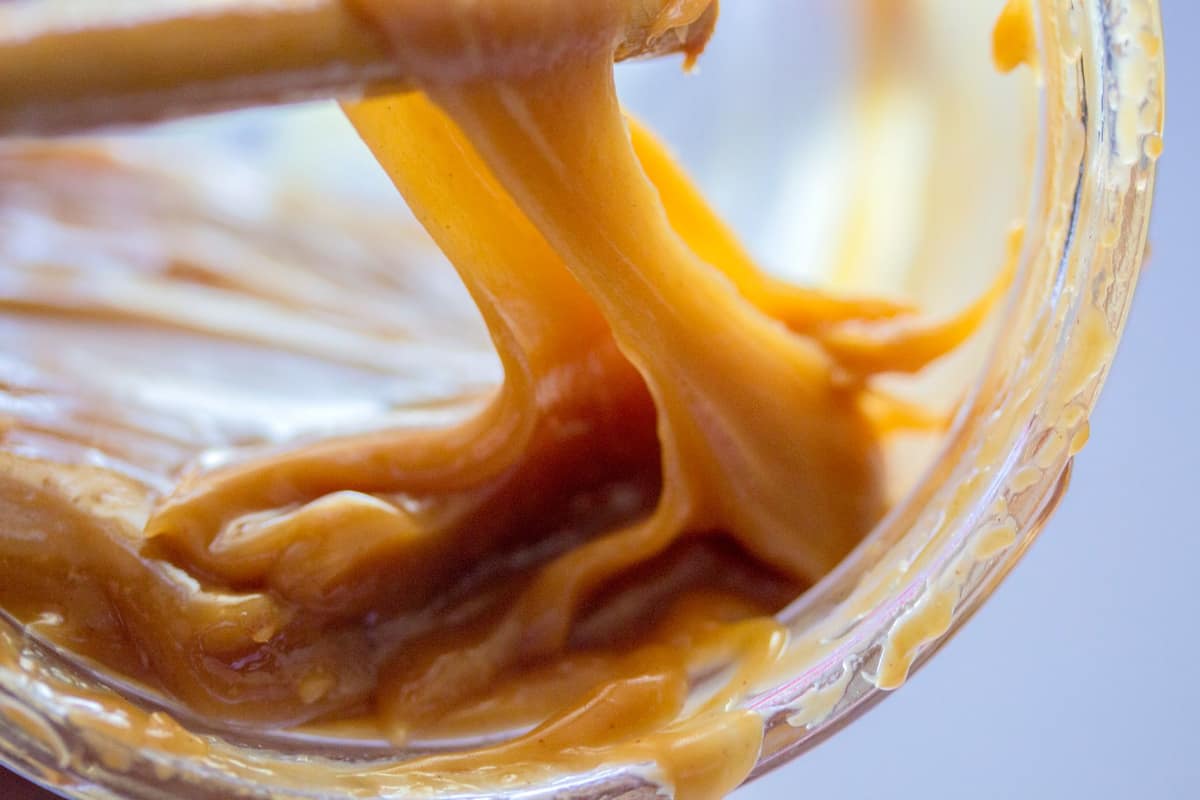
Sugar on its own tastes of one thing: sweet. Held over sustained heat, though, its molecules fracture and reassemble into a huge crowd of new flavour and aroma compounds, and the colour walks from clear through gold, amber and mahogany. Each shade is a different flavour: pale caramel is gentle and buttery, deep amber is complex and bittersweet, and past that lies acrid smoke.
Why it matters
Caramelisation is one of the cheapest flavour upgrades in the kitchen — no new ingredient, just heat and courage. The difference between a flat, sugary sauce and one with real depth is simply how far the sugar was taken. It flavours caramel sauces, praline, crème caramel, tarte Tatin, and the burnished top of a crème brûlée.
Common mistakes
Pulling the pan off too early, out of fear, leaves caramel that tastes like warm sugar syrup; hesitating too long turns it bitter and thin. Colour and smell are the honest guides — amber like dark honey, with a toasty rather than sharp aroma. Stirring a dry caramel early on is the other classic error: it encourages crystals, and the whole pan can seize into grainy clumps.
Dry vs wet caramel
A dry caramel is sugar melted alone in the pan — faster and more intense, but less forgiving, since patches can scorch before the rest has melted. A wet caramel dissolves the sugar in a little water first, which slows everything down and lets the colour develop evenly. Professionals use both; beginners usually find the wet method kinder.
At Love Made Edible
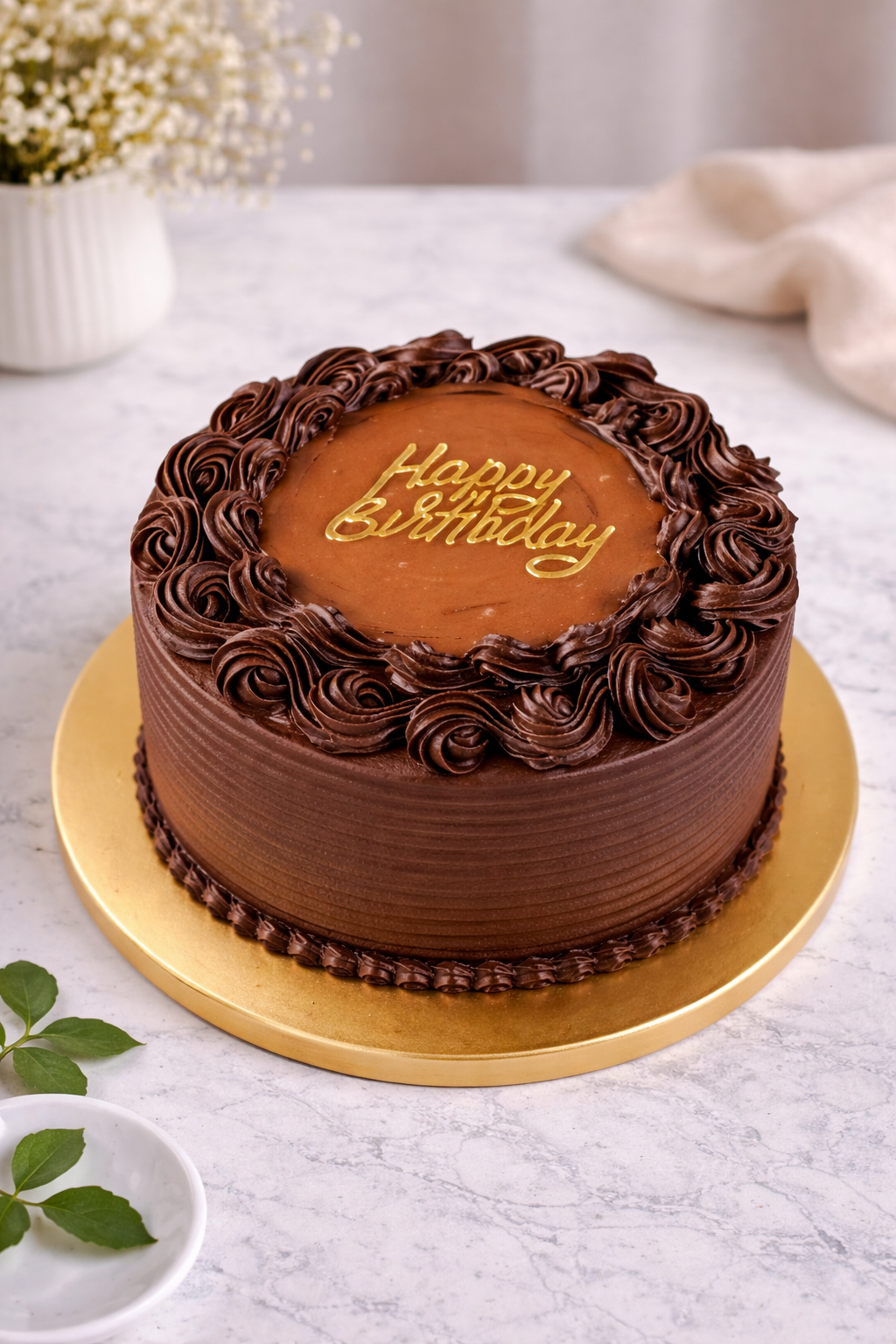
Our choco caramel cake pairs dark chocolate with caramel taken deliberately to a deep amber, so its gentle bitterness balances the sweetness instead of adding to it.
Frequently Asked Questions
Why did my caramel turn bitter?
It went a shade or two past its peak. As caramel darkens, bitter compounds build alongside the complex ones, and beyond deep amber the balance tips. The change happens quickly at the end, so bakers judge by colour and aroma and stop the cooking decisively — often by adding cream or resting the pan off the heat.
What is the difference between dry and wet caramel?
Dry caramel melts sugar alone in the pan; wet caramel dissolves it in water first. Dry is quicker with a more intense flavour but scorches easily and unevenly. Wet takes longer but colours gradually and evenly, making it the friendlier method for home bakers.
Is caramelisation the same as browning bread or meat?
No — that browning is mostly the Maillard reaction, which needs proteins as well as sugars. Caramelisation is sugar transforming on its own. The two often happen together in the oven, but they produce different families of flavour.
Tastethetechnique
Everything in our kitchen is baked fresh to order — eggless and vegan variants available.