Buttercream
Buttercream is a frosting built on butter beaten until light, sweetened and flavoured, used to fill, coat and decorate cakes. It comes in several families — from the simple American style of butter and icing sugar to the silkier Swiss and Italian styles built on a cooked meringue.
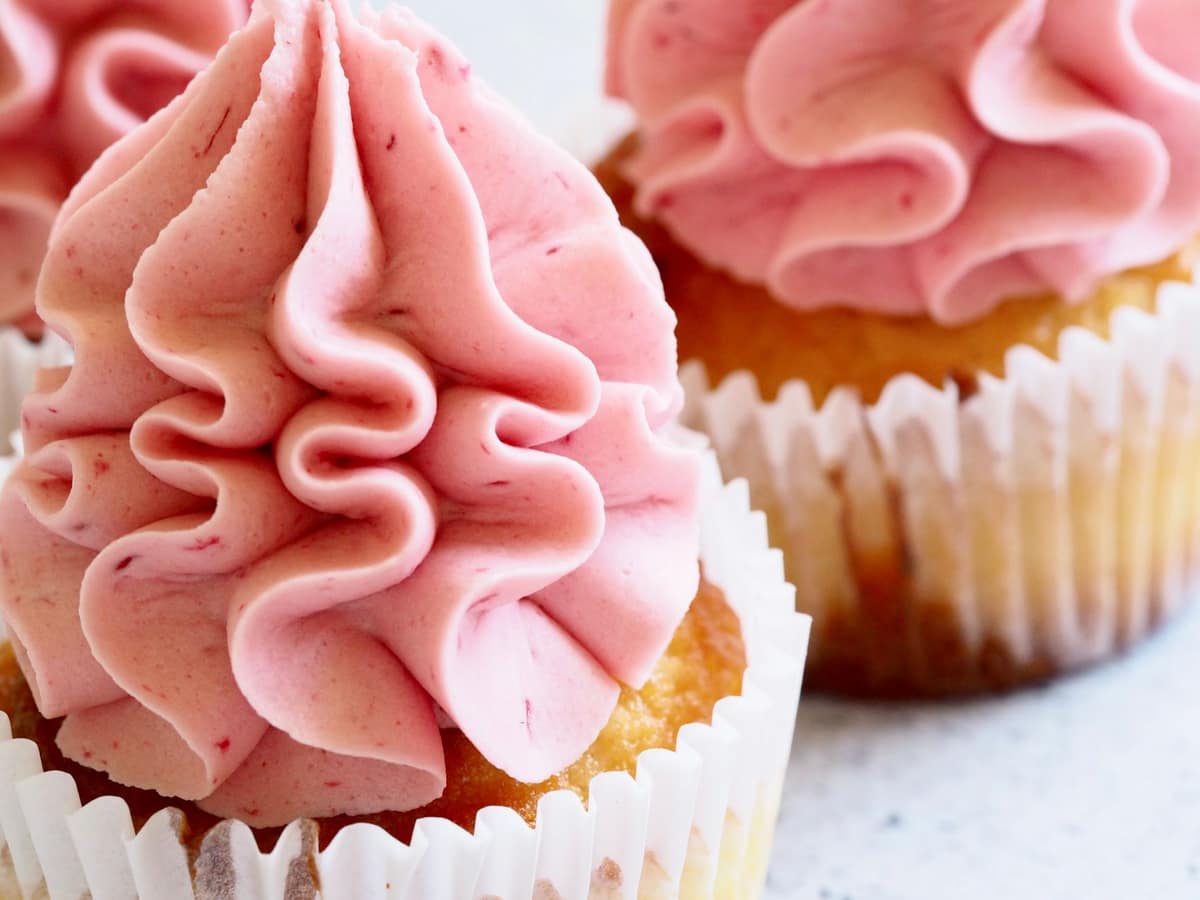
What it is
Every buttercream starts with softened butter whipped full of air. The families differ in what the butter is whipped with. American buttercream simply beats in icing sugar — quick, sweet and sturdy. Swiss and Italian buttercreams first build a meringue from egg whites and sugar, then whip butter into it, which is why they taste less sweet and feel like silk. There are eggless meringue-style routes too, so eggless and vegan variants are available.
Why it matters
The style of buttercream decides how a cake eats. American buttercream forms a light crust and pipes crisp details but can taste plainly of sugar. Meringue-based buttercreams melt on the tongue and carry flavours — vanilla, fruit, coffee — with far more finesse. For a celebration cake that people actually finish, the silkier styles usually win.
Buttercream in a warm climate
Butter softens quickly in an Indian kitchen, and buttercream softens with it. In Bangalore's warmth a buttercream cake needs a spell in the fridge before travel, and a decorator works fast, chilling the cake between coats. If your buttercream turns soupy while piping, the fix is patience and a cold bowl, not more sugar.
At Love Made Edible
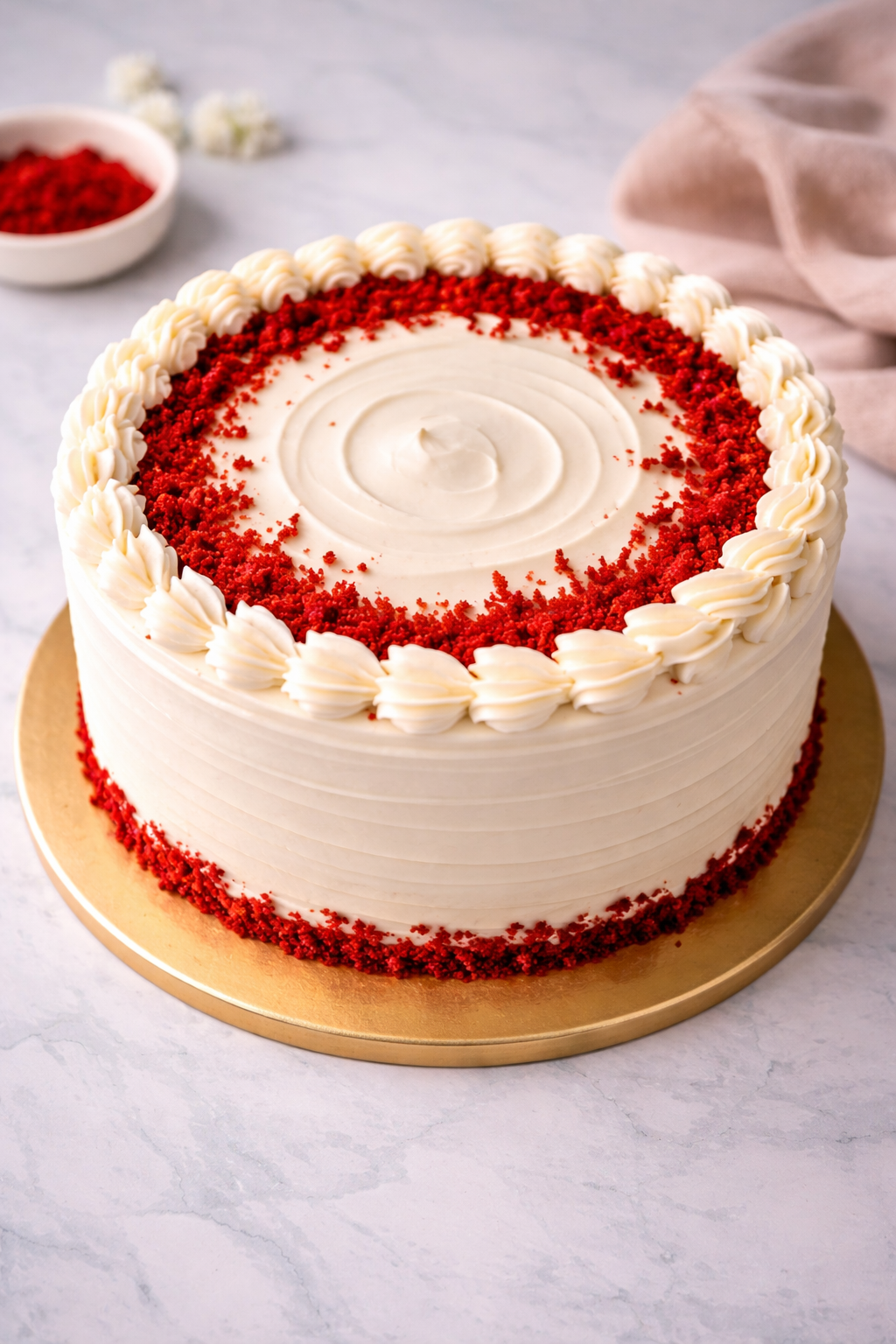
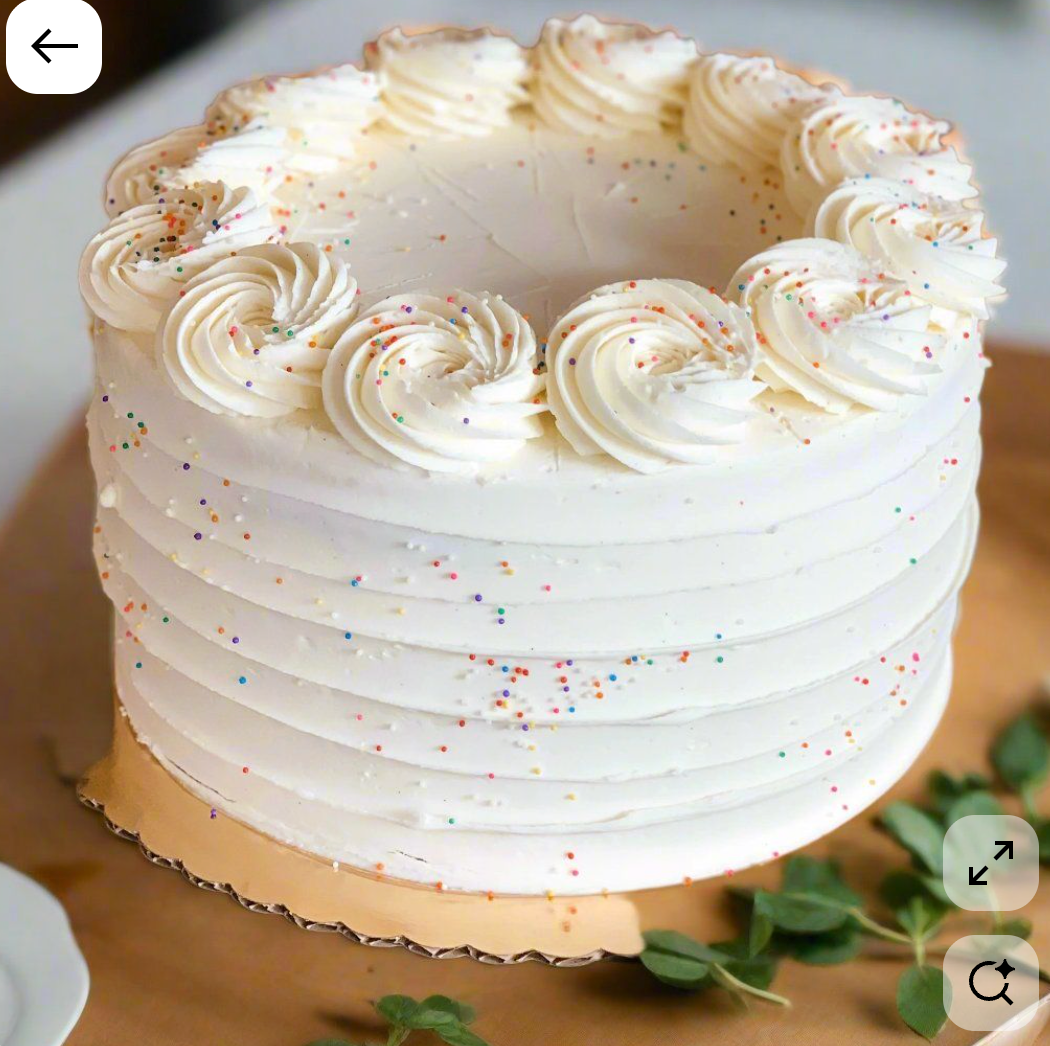
Our classic vanilla cake and red velvet cake are both finished in buttercream, whipped in small batches and kept deliberately less sweet so the sponge and filling can speak.
Frequently Asked Questions
What are the main types of buttercream?
The common families are American (butter beaten with icing sugar — quick and sweet), Swiss meringue (butter whipped into a warm-whisked meringue — silky and less sweet), and Italian meringue (butter whipped into a meringue set with hot syrup — the most stable of the three). French and German styles, built on yolks or custard, are richer still.
Why is Swiss or Italian buttercream silkier than American?
Because the sugar is fully dissolved into a meringue before the butter goes in, there are no undissolved sugar crystals on the tongue. The meringue also carries air more finely, so the frosting feels like a mousse rather than a sweet paste.
Does buttercream survive warm weather?
Butter is the backbone, so buttercream softens as the day warms — a real consideration in Indian cities. Meringue-based styles hold their structure a little better, but any buttercream cake should be kept cool and brought out shortly before serving.
Tastethetechnique
Everything in our kitchen is baked fresh to order — eggless and vegan variants available.