Isomalt
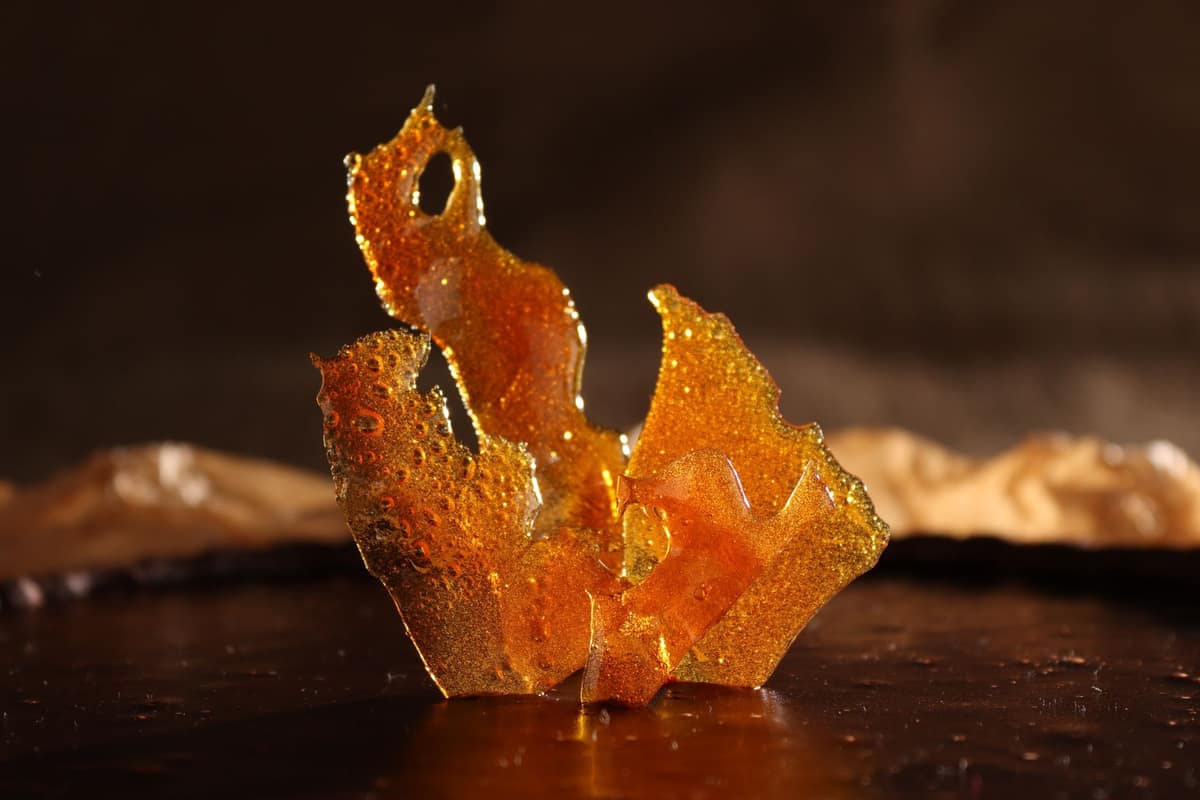
Isomalt is a sugar alcohol made from beet sugar, used almost entirely for showpiece sugar work. It melts clear, resists moisture far better than ordinary sugar, and cools into hard, glassy pieces, which makes it the modern choice for pulled, blown, and cast sugar decorations.
Builds on
Unlocks
What it is
Isomalt is derived from sugar but rearranged into a form that melts and sets much like cooked sugar without the same tendency to crystallise or brown. It is worked hot, then shaped into ribbons, bubbles, gems, and sculptures as it cools, the same craft as classic sugar work but far more forgiving.
Why it matters
The great advantage is its resistance to humidity. Pulled sugar made from ordinary sugar quickly turns sticky and weeps in damp air, a real problem in Bangalore's humid months. Isomalt stays clearer and firmer for longer, so showpieces hold their shine and shape through a display or celebration.
Common mistakes
Isomalt is worked extremely hot and holds heat fiercely, so it demands care and patience to avoid burns. It still softens in very damp conditions if left unprotected, and overworking or reheating it too often clouds the once-glassy clarity that is its whole appeal.
Related terms
Frequently Asked Questions
What is isomalt used for?
Isomalt is used for decorative sugar work: pulled ribbons, blown bubbles, cast gems, and sculpted showpieces. It melts clear and sets glassy like cooked sugar but resists moisture better, so decorations keep their shine longer, which suits humid climates.
Why use isomalt instead of sugar for decorations?
Ordinary sugar decorations turn sticky and weep in humid air, while isomalt resists moisture and stays clear and firm far longer. It is also less prone to crystallising and browning, so it holds a cleaner, glassier finish for display work.
Tastethetechnique
Everything in our kitchen is baked fresh to order — eggless and vegan variants available.